
Organic breathable clothing can support the healing process for individuals following the Autoimmune Protocol (AIP) by reducing environmental stressors and promoting skin health, which is vital for encouraging healing for autoimmune conditions. Read on for several ways it helps and improves overall health and focus on Allergy-Free Apparel.
Table of Contents
What is Cottonique?
Cottonique specializes in allergy-free and hypoallergenic apparel that caters to individuals with sensitive skin and autoimmune conditions. The company offers a range of clothing and accessories made from 100% organic cotton and other non-toxic materials.
Cottonique’s products are free from common irritants such as synthetic dyes, chemical finishes, and allergens, making them an ideal choice for those looking to minimize exposure to potentially harmful substances. By focusing on natural fibers and avoiding harsh chemicals, Cottonique entire goal is to provide comfort and support for individuals managing autoimmune issues, ensuring that their clothing contributes positively to their overall health and well-being.
Features
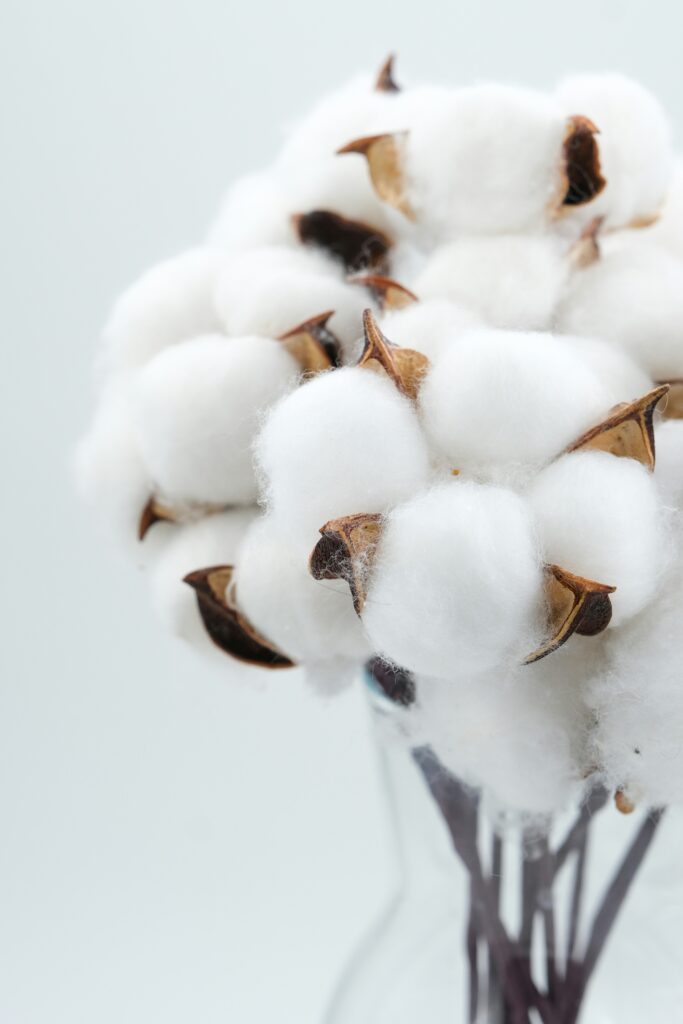
Cottonique’s allergy-free apparel is designed with several key features that set it apart from conventional clothing. First and foremost, all products are made from 100% organic cotton, ensuring they are free from harmful pesticides and chemicals. Toxins, such as those found in conventional cotton due to pesticides and chemical treatments, are detrimental to the body in the long run. When absorbed through the skin or inhaled, these substances can trigger allergic reactions, and skin irritation, and contribute to systemic health issues by entering the bloodstream. For individuals with autoimmune conditions or sensitive skin, exposure to these toxins can exacerbate symptoms and hinder overall well-being.
This natural fiber is highly breathable, providing superior comfort and reducing the risk of skin irritation. Cottonique also avoids synthetic dyes and chemical finishes; often common irritants in many fast fashion items. Additionally, the brand employs a hypoallergenic manufacturing process that minimizes exposure to potential allergens.
This clothing is available in various styles, including undergarments, socks, and loungewear, each crafted to support sensitive skin and autoimmune health. By focusing on these features, Cottonique aims to deliver apparel that prioritizes comfort and safety and aligns with a holistic approach to wellness.
Toxins in our clothes?
Understanding the types of toxins commonly found in clothing is crucial for making informed choices. Below is a list of some prevalent toxins that can be present in textiles, highlighting the importance of selecting safer alternatives.
Herbicides: Chemicals used in conventional cotton farming that can linger on fabric. Prolonged or frequent exposure to herbicides has been associated with long-term health effects, including potential links to cancer or other serious conditions.
Synthetic Dyes: Harmful chemicals; such as azo dyes, that can cause allergic reactions and skin irritations.
Formaldehyde: Used in fabric treatments to reduce wrinkling, potentially irritating the skin and respiratory system.
Flame Retardants: Chemicals added to some textiles have harmful effects on health, such as Treated Fabrics, many manufacturers apply flame retardant chemicals directly to fabrics during production to meet safety regulations, especially for children’s sleepwear, uniforms, and workwear in industries with fire hazards. Prolonged contact with flame retardants may lead to chronic dermatitis, causing persistent irritation, redness, and itching along with dry, cracked skin that becomes more vulnerable to infections.
Some flame retardants are known endocrine disruptors, potentially interfering with hormone regulation and increasing the risk of reproductive and developmental issues. Certain flame retardants, such as polybrominated diphenyl ethers (PBDEs), are linked to carcinogenic risks, including skin cancer, and they can also accumulate in the body over time, raising concerns about toxicity. Neurological effects, such as memory issues and cognitive impairments, have been associated with long-term exposure as well. To minimize these risks, it’s important to limit direct contact with materials containing flame retardants, regularly wash hands, and opt for products that are free of these chemicals whenever possible.
Phthalates: found in synthetic fabrics that can disrupt hormonal balance and are linked to health issues. Phthalates, chemicals used to make plastics more flexible, can end up on clothes through various means. They are often used in the production of synthetic fabrics like polyester to improve durability and softness and are present in plastic-based decorations or prints, such as vinyl logos. Phthalates can transfer onto clothing during washing, especially if laundered with items that contain these chemicals, like raincoats or clothes with synthetic dyes. To reduce exposure, it’s advisable to choose natural fibers like cotton or linen, avoid clothing with plastic prints, and wash new clothes to remove chemical residues.
Heavy Metals: Present in dyes and finishing agents, heavy metals like lead and cadmium can accumulate in the body.
Volatile Organic Compounds (VOCs): Emitted from synthetic materials and treatments, contributing to indoor air pollution with various health impacts.
Pros & Cons
Pros: Cottonique offers several advantages, particularly for individuals with sensitive skin or autoimmune conditions. The brand’s commitment to 100% organic cotton means their apparel is free from harmful pesticides and chemicals, reducing the risk of irritation and allergic reactions. Their hypoallergenic manufacturing process ensures that the clothing is free from synthetic dyes and chemical finishes, making it a safer choice for those with allergies or sensitivities.
Additionally, Cottonique’s products are designed to be breathable and comfortable, enhancing overall wearability and support for autoimmune health.
Cons: Despite its many benefits, Cottonique’s allergy-free apparel may come with a few drawbacks. The focus on organic materials and hypoallergenic processes can make their products more expensive compared to conventional clothing.
The limited range of styles and colors might not appeal to everyone’s fashion preferences. Some users might also find that the availability of sizes or specific products is limited. While Cottonique excels in providing allergy-free options, these factors may affect some potential customers’ overall experience.

Pricing
Cottonique’s allergy-free apparel is positioned as a premium option due to its use of 100% organic cotton and hypoallergenic manufacturing processes. The pricing reflects the high quality and specialized nature of the products. For example, basic items such as organic cotton socks or underwear typically range from $15 to $30, while more extensive pieces like loungewear or sleepwear can cost between $40 and $80.
While the cost may be higher compared; to fast conventional clothing, the investment in allergy-free and eco-friendly apparel is often justified by the added comfort and health benefits, particularly for those with sensitive skin or autoimmune conditions. Cottonique occasionally offers sales and discounts, which can provide more affordable options for customers seeking to integrate allergy-free clothing into their wardrobes.
Things to keep in mind.
Having toxic-free undergarments is crucial for maintaining optimal skin and internal health. Conventional fabrics often contain harmful chemicals, dyes, and finishes that penetrate deep into your already struggling system.
Some chemicals in clothing, like certain dyes and fabric finishes, can act as endocrine disruptors. These substances will interfere with hormonal balance, potentially affecting reproductive health, metabolism, and overall hormonal function. Over time, the accumulation of toxins in the body from these various sources, (including clothing), can contribute to chronic health problems. The body will have difficulty detoxifying these substances, particularly when it is continually exposed to or in contact with these toxins
Toxic-free undergarments, made from organic or natural fibers without harmful additives, help reduce the risk of allergic reactions and minimize exposure to potentially harmful substances. This is particularly important for those with AIP conditions who need to manage environmental triggers carefully. Choosing such undergarments aligns with a holistic approach to wellness, offering comfort and peace of mind in everyday wear.

For those new to ‘Organic Cotton’, learning about its benefits and differences from conventional cotton can help in making informed choices. Cotton and organic linen are excellent choices for clothing due to their breathability and comfort. Both materials allow for air circulation, helping to regulate body temperature and reduce sweating, making them ideal for warmer climates. They are also hypoallergenic, making them suitable for individuals with allergies or skin conditions.
Being derived from plants, these natural fibers are biodegradable and environmentally friendly compared to synthetic options. Organic cotton, in particular, is grown without harmful pesticides or fertilizers, minimizing exposure to toxins.
While Linen is known for its strength and durability, making it a sustainable choice. Both fabrics can absorb moisture, helping to keep you dry and comfortable throughout the day. Overall, cotton and organic linen provide a combination of comfort, safety, and sustainability that is particularly beneficial for those with autoimmune issues.
Conclusion
While the pricing may be higher than conventional options, the health benefits and comfort provided by their products will be well worth the investment. Exploring alternatives like Boody, Pact, and Under the Nile can offer more choices for hypoallergenic and sustainable clothing. Embracing allergy-free apparel not only supports better skin health but also aligns with a broader commitment to eco-friendly and ethical fashion practices. For those navigating autoimmune issues, choosing the right clothing can significantly enhance overall well-being and comfort.
In summary, Cottonique’s allergy-free apparel offers a valuable solution for those with sensitive skin and autoimmune conditions. By using, 100% organic cotton and avoiding harmful chemicals and dyes, Cottonique provides clothing that minimizes skin irritation and reduces exposure to potential allergens.
For the Website link: Click Here!
For more information: Click Here!